
Dayton Has Two Court Locations
Dayton wears two hats. It is the Rhea County seat and a city with its own municipal court. That split creates two separate court routes. A city citation starts at Dayton City Court and its clerk. County Circuit, Criminal, General Sessions, and Chancery cases run through the Rhea County offices. Many of those hearings happen at the Justice Center north of the older downtown courthouse area.
Trust the address on your newest notice, not habit. A Dayton mailing address does not mean the case belongs to Dayton Municipal Court. Likewise, do not assume every city citation gets heard at the county Justice Center. Read the court caption, call the named clerk. Confirm the building and courtroom before you drive over. That quick check also clears up confusion from older web listings. Those listings still point to a prior courthouse or a different office address.
Searching the Dayton Court Docket
Read the caption and the issuing agency first. A citation issued into Dayton Municipal Court belongs with Dayton City Court Clerk Brandi McSpadden. The Tennessee Administrative Office of the Courts lists her office. The address is 399 1st Avenue, PO Box 226, Dayton, Tennessee 37321, phone 423-775-1818. Call with the citation number in hand. Have the exact name, the citation date, and the stated court date ready too. The official payment service takes an eligible payment. But it offers no public search by name, citation, or date.
If your paper names General Sessions, Criminal, or Circuit Court, contact Circuit Court Clerk Jamie Holloway at 423-775-7818. Chancery matters go to Clerk and Master Bonnie Doss at 423-775-7806. Rhea County provides no official public trial-court search screen. So the working routes are the staff-assisted counter, the phone, and focused record requests.
- Read the court name and issuing agency on the paper.
- Give the proper clerk the citation or case number and exact name.
- Ask for the public docket entry, current setting, status, and disposition.
- If Dayton has no match, ask whether the case moved to a Rhea County court.
- Confirm the latest date and location with the maintaining clerk.
Dayton Payment Portal Limits
The Dayton Municipal Court payment page is a named city service. It is not a broad docket index. It shows account, sign-in, registration, and payment-brand controls. There is no open field for a name, citation number, hearing date, or docket entry. That difference matters. A receipt proves money was processed. It does not replace the clerk's record of the charge, settings, orders, and final result.
This official page shows the payment interface used for Dayton Municipal Court matters.
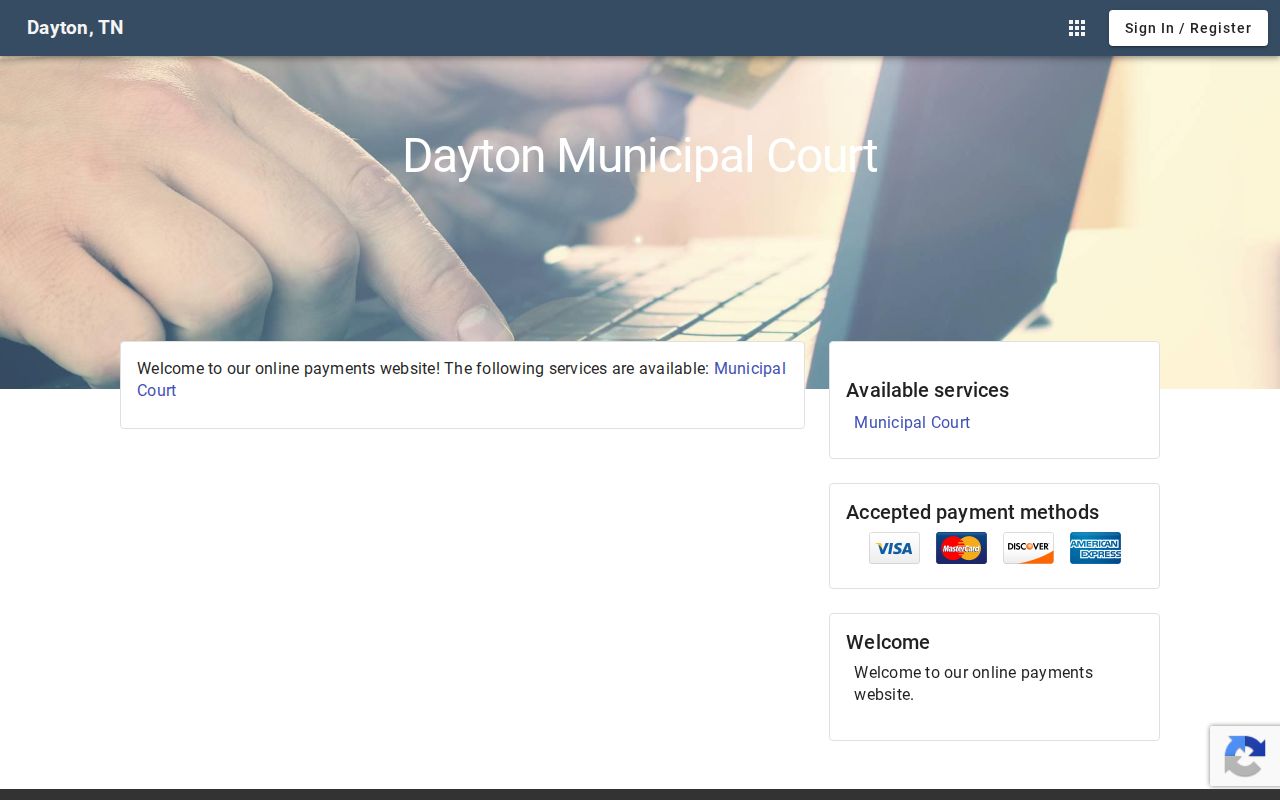
Because the layout is account-led, call the Dayton clerk for a live docket or court date. Payment access is not case-search access.
Dayton Municipal Court Basics
Dayton Municipal Court is the local forum for matters within its city jurisdiction. It covers municipal ordinance and traffic citations. It stands apart from the Rhea County Circuit, Criminal, General Sessions, and Chancery courts. The issuing court and caption control your route. A Dayton address alone never makes a case municipal. The county seat also hosts county court offices.
The AOC directory names Brandi McSpadden as Dayton City Court Clerk. When you ask for a docket copy, request the public register or entries tied to the citation. State the record you want: current setting, disposition, judgment, receipt, or certified copy. The city can then explain what it keeps, what it may release, and any current copy charge. If a charge was transferred or bound over, ask for the receiving court. Then ask for its new case number.
Dayton Citation First Steps
A search-indexed city citation sheet described a date, time, and place printed on the ticket. It also noted City Court held at the municipal building, and payment by mail, in person, or online after checking the amount. It further pointed readers to the city for driving-school eligibility, installment plans, indigency paperwork, and failure-to-appear questions. Treat those details as leads, not current instructions. The direct city PDF returns an error.
Use the live Dayton clerk contact before you act. Read every item on the citation. Ask whether attendance is required. Then confirm the balance and accepted payment method. If the citation date has passed, call promptly. An online balance never means the date was canceled. And payment is not allowed for every charge.
Court Dates and Settings in Dayton
Take any Dayton court date from the newest city-court entry. Confirm it with the clerk. A setting schedules an event. It does not prove the hearing occurred or predict the result. If the case was continued, the most recent entry controls. Ask whether the matter stays on the calendar. Also ask whether the room changed, and whether you must appear in person. Keep the prior date in your notes, because it helps staff trace a reset.
| Date | The newest date entered for the municipal matter. |
|---|---|
| Time | The call or hearing time, which should be confirmed. |
| Location | The city court site stated on the current notice. |
| Court | Dayton Municipal Court or the named receiving court. |
| Setting Type | Appearance, hearing, trial, payment review, or continuance. |
Dayton Docket or County Case
Dayton wears two hats. It is a city with its own municipal court and the seat of Rhea County. That overlap can send a docket search down the wrong path. City citations start with the city clerk. State-law misdemeanors and early felony work sit in General Sessions. Indicted felonies move to Criminal Court. Circuit Court takes general civil matters and some assigned felony cases. Chancery covers equity, probate, and related work.
The Rhea County Justice Center opened in 2021 north of the old courthouse. It has three courtrooms and secure circulation. The county description of that move explains why so many county cases carry a Dayton address. They do not belong to Dayton Municipal Court. Match the court name, not just the city.
Traffic Tickets in Dayton
Trace a Dayton ticket by its citation number. Add the issuing agency, cited name, issue date, and printed appearance date. Then ask the city clerk its status. The answer may be active, paid, continued, dismissed, or moved. A citation is only the charging notice. The docket later shows any plea, hearing, order, fine, cost, or disposition.
Paying and fighting a ticket are different routes. Before sending money, confirm the offense can be paid without a court appearance. If you plan to contest it, trust the current court notice and the clerk's confirmation. Municipal and General Sessions citations split across the county. See Rhea County traffic tickets for that breakdown. Never send a city citation to the County Clerk's vehicle-renewal portal.
Missed Dayton Citation Dates
Missed a Dayton date? Call the court first. Ask whether a failure to appear was entered. Ask what the current setting is and what the court needs to clear the city case. Tennessee Safety guidance explains that a court-reported failure to appear can trigger a state notice and a correction period. State reinstatement steps follow when they apply. The real effect depends on the current notice and case.
Never assume a license result from the ticket alone. Fix or satisfy the court matter. Get whatever proof the clerk recommends. Then follow the Tennessee Department of Safety instructions in any state notice. A city docket entry and a state motor vehicle record are separate records. They are kept by separate offices.
Where Dayton Cases Go
A city ordinance matter can stay in Dayton Municipal Court. A state-law charge may instead begin in General Sessions. On a felony path, it can move to Criminal Court after preliminary steps and grand-jury action. Civil suits, probate matters, and appeals each follow their own routes through the courts. Every transfer can generate a new case number. Keep the original citation and ask for the receiving number.
Docket flow: Dayton Municipal Court › Rhea County Courts › Circuit Court or Criminal Court
Search each tier through its record keeper. Dayton's clerk holds the city file. Jamie Holloway handles Circuit, Criminal, and General Sessions files, and Bonnie Doss handles Chancery records. The Rhea County court docket overview maps the county-level paths so a city payment search never turns into a county case search.
Dayton Records Request Routes
A records request should describe a record that exists. For Dayton Municipal Court, give the citation number and a date range. Add the cited name and the item you want, whether inspection, a plain copy, or a certified copy. County court records follow the same rule: send the narrow request to the clerk holding that court family. Countywide non-court records go through the Rhea public-records form. It is no shortcut into a municipal case file. A narrow request beats a demand for everything about a person. If an item holds protected data, ask whether a redacted docket or public disposition exists. Clerks do not have to build new reports to answer research questions. Write down the office, date, case number, response, fee estimate, and any cited restriction.
Keep a city court copy separate from a county public-record request. The county form covers inspection or copy requests. It lists pickup, first-class mail, electronic delivery, or another agreed method. It also asks for record type, dates, subject terms, and a detailed description. It fits county government material. It does not move custody of a Dayton Municipal Court file away from the city clerk.
Name the exact record you need. Want a court event history? Ask for the docket register from filing through the latest entry or disposition. Want proof of payment? Ask for the receipt. If an outside use needs authentication, ask whether the Dayton clerk offers a certified copy. Ask what the current fee is too. These requests reach different records. Precise naming makes a fee estimate far more useful.
Dayton Court Record Access Rules
Tennessee Supreme Court Rule 34 starts from public access to court records. Access closes only when a statute, rule, or court order says so. That still leaves plenty off limits. Juvenile and adoption records may be withheld or redacted. The same goes for sealed files, protected identifiers, victim information, and anything under a protective order. Ask Dayton's clerk for the court's current records policy. Ask also for the public part of any file with restricted material.
The Tennessee Comptroller's public-records FAQ explains inspection, citizenship, identification, and copy principles.
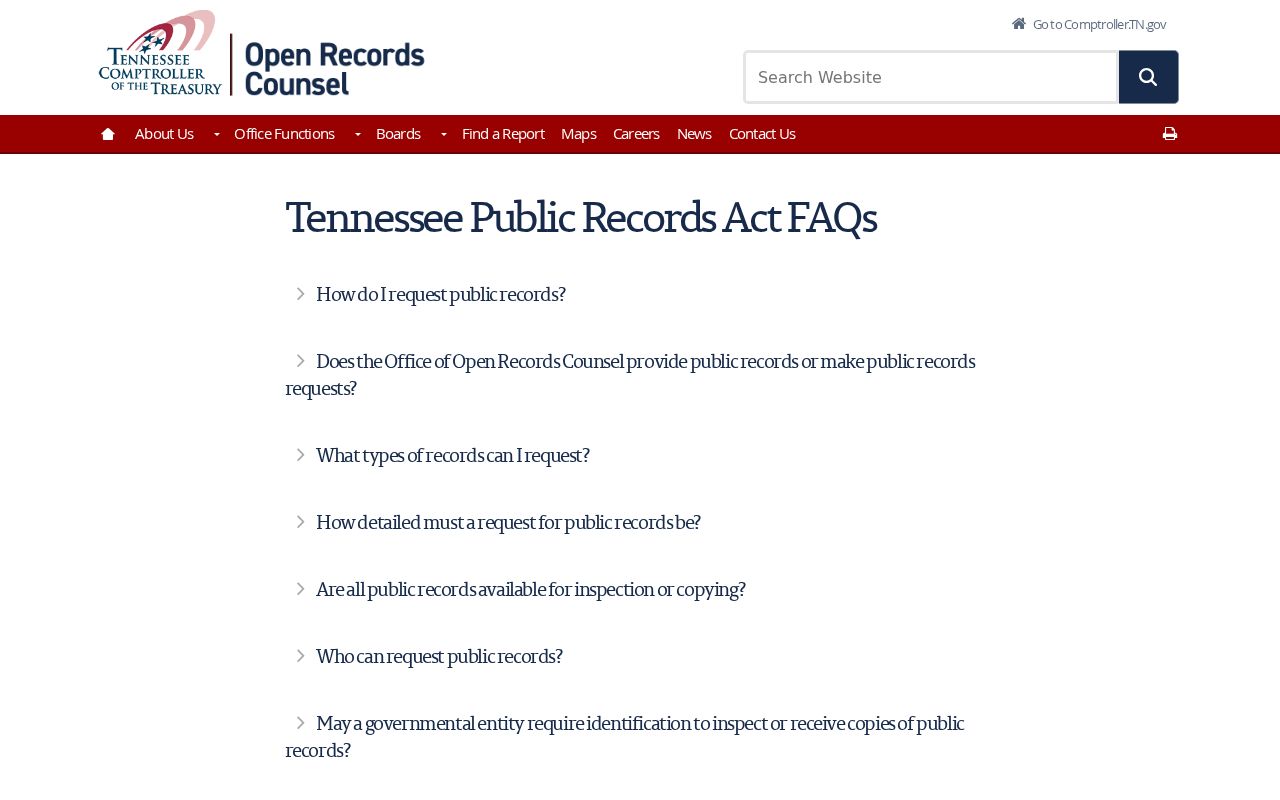
Dayton access rules: the statewide guidance supports a focused request, while Dayton's maintaining clerk supplies the court's current local process.
Key rule: Tennessee Supreme Court Rule 34 treats case, administrative, and judicial records as open unless law or court action restricts them.
The Tennessee Public Records Act also provides Tennessee citizens a route to inspect public agency records, but a court-file request should begin with the court clerk that maintains it.